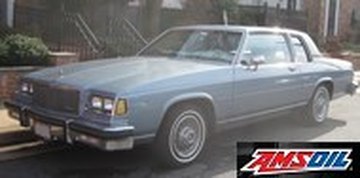
1980 Buick LESABRE Oil Change and Maintenance Guide
ABOUT THIS VEHICLE AND ENGINE
The 1980 Buick LESABRE represents a specific era of American full-size sedan production. This particular vehicle is equipped with a 3.8L engine featuring a turbo configuration, as indicated by the VIN/engine code [3]. The 3.8L engine family has a long history within the Buick lineup, often utilized for its balance of displacement and power delivery.
Maintaining a turbocharged application requires careful attention to lubrication and thermal management. Because turbocharging introduces additional heat and pressure variables into the engine environment, adhering to consistent maintenance protocols is essential for the longevity of the 3.8L powerplant in this 1980 Buick LESABRE.
CHOOSING ENGINE OIL
Selecting the correct lubricant is a foundational step in 1980 Buick LESABRE maintenance. When choosing an oil, it is vital to match the engine oil to the application-specific viscosity information shown above on this page. Do not rely on general automotive knowledge to select a grade; always use the specific viscosity listed for your exact engine configuration.
Modern lubricant options provide various benefits that can be applied to older engines:
- Conventional Oil: A standard petroleum-based lubricant.
- Synthetic and Synthetic Blends: These formulations often offer improved thermal stability and resistance to oxidation, which can be beneficial in high-heat environments.
- High-Mileage Formulations: Some high-mileage oil formulations contain additives intended for use in aging engines, including seal-conditioning additives that may help maintain the integrity of older components.
- API Certification: Ensure any oil purchased meets current American Petroleum Institute (API) standards to guarantee a baseline level of quality and performance.
WHY ENGINE OIL MAINTENANCE MATTERS
Engine oil serves several critical functions that are necessary for the operation of the 3.8L engine. Primarily, it provides lubrication to reduce friction between moving internal components. Proper lubrication helps protect bearings and other precision surfaces from premature wear.
Beyond friction reduction, engine oil plays a significant role in heat management by helping to carry heat away from high-temperature zones within the engine. Regular oil changes also help manage contamination. Over time, oil can collect debris or undergo chemical changes that lead to the formation of deposits or sludge. Maintaining fresh oil helps prevent these issues and ensures that the lubrication system continues to function effectively under various operating conditions.
AGE-RELATED MAINTENANCE
As a vehicle from 1980, the Buick LESABRE requires specific attention to age-sensitive components. When performing a 1980 Buick LESABRE oil change, it is also an appropriate time to conduct a broader inspection of the engine compartment.
Reasonable areas for inspection include:
- Gaskets and Seals: Inspect accessible gaskets and seals for signs of age-related seepage or leakage.
- Rubber Components: Check the condition of hoses and, if equipped, any visible drive belts for cracking, glazing, or fraying.
- Electrical Systems: Examine electrical connections and wiring for signs of brittleness or corrosion.
- Cooling System: Inspect the cooling system for evidence of leaks or signs of previous overheating.
- Air Filtration: Ensure the air filtration system is clean to prevent debris from entering the engine intake.
WHAT TO INSPECT DURING AN OIL CHANGE
A thorough 1980 Buick LESABRE maintenance routine involves more than just replacing the fluid. During an oil change, several visual checks can help identify potential issues before they escalate:
- Sealing Areas: Check the oil-filter sealing area and the condition of the drain plug and its sealing washer.
- Leak Detection: Look for any evidence of active leaks around accessible gaskets and seals.
- Drive Components: If equipped, inspect the condition of drive belts.
- Fluid Integrity: Check hoses for signs of swelling or deterioration and look for cooling-system leaks.
- General Cleanliness: Inspect the air filter and check wiring and connectors for any obvious damage or signs of neglected maintenance.
OIL-RELATED WARNING SIGNS
While many issues can stem from various sources, certain symptoms may warrant closer investigation during your Buick LESABRE engine oil service. If you notice unexplained oil loss or visible leakage under the vehicle, it should be investigated.
Other signs that may indicate a need for service include:
- Unusual Odors: A burning-oil odor may indicate oil contacting a hot surface.
- Abnormal Appearance: An abnormal appearance of the oil (such as extreme discoloration or texture changes) can be a sign of contamination.
- Engine Noise: Unusual engine noises can sometimes be associated with lubrication issues.
It is important to remember that symptoms can have multiple causes; therefore, any unusual observation should be evaluated by a professional to determine the exact source.
VEHICLE HISTORY AND LONG-TERM OWNERSHIP
For owners of a 1980 Buick LESABRE, long-term ownership success is often tied to documented maintenance. Keeping detailed service records can help track the history of repairs and identify patterns in component wear. When managing an older vehicle, it is practical to verify that replacement parts are compatible with this specific engine and model year.
Attention should be paid to age-sensitive rubber components and the overall condition of the cooling system and electrical connections. Identifying signs of previous neglect early can assist in more effective preventative maintenance moving forward.
MAINTAINING AN OLDER 1980 BUICK LESABRE
Preventative inspection becomes increasingly important as vehicles age. For a 1980 model, regular checks of the service history and the condition of various engine-related components can help prevent unexpected downtime.
Focusing on the following areas can assist in long-term upkeep:
- Monitoring for leaks from seals and hoses.
- Inspecting accessible belts and cooling system integrity.
- Checking ignition components and air filtration cleanliness.
- Ensuring wiring and connectors remain secure and free of corrosion.
- Watching for any evidence of overheating or previous neglect.
BUYING ENGINE OIL FOR THE 1980 BUICK LESABRE 3.8L
When purchasing supplies for your Buick LESABRE engine oil needs, prioritize quality and compatibility. Always select a reputable oil brand that meets the appropriate API certification for your requirements.
Depending on your specific engine condition and driving habits, you may choose between conventional, synthetic, or synthetic blend oils. If the vehicle has high mileage, you might consider high-mileage formulations which include seal-conditioning additives. Most importantly, always match the oil to the application-specific viscosity information already displayed on this page to ensure the lubricant is appropriate for your 1980 Buick LESABRE 3.8L Turbo engine.